Imagine this: your small business is thriving, the customers are rolling in, and everything seems perfect. But what happens if an unexpected event derails your plan? That’s where understanding the ins and outs of commercial insurance becomes not only essential but downright critical. Whether you’re just starting out or looking to solidify your existing business framework, knowing which insurance options to prioritize can be the difference between a minor setback and a major catastrophe.
Here at Backlinko, we’re breaking down the complexity of business insurance into digestible insights. Learn the ropes of the three pivotal types of insurance every small business owner should consider. From liability coverage to property protection, we’ve got the lowdown on how to shield your business from the unforeseen. Dive in and empower your enterprise with the knowledge to navigate the commercial insurance landscape effectively.
Understanding Business Insurance Needs
Did you know that 40% of small businesses never reopen after a disaster? Business insurance is your safety net. It’s not just an expense; it’s a vital investment.
But here’s the deal: Understanding what types of insurance you need can feel overwhelming. Let’s break it down so you can protect your business without the hassle.
The Importance of Business Insurance for Small Businesses
Running a small business without insurance is like driving without a seatbelt. You might get lucky, but if something goes wrong, it could be catastrophic. Business insurance safeguards your investment and ensures you can bounce back from setbacks. Whether it’s a natural disaster or a lawsuit, having coverage means your business is prepared.
Types of Commercial Insurance Available
There are many types of commercial insurance to consider. The most common include General Liability, Property Insurance, and Workers’ Compensation. Each serves a different purpose. General Liability covers legal hassles from accidents, while Property Insurance safeguards your physical assets. Workers’ Compensation is essential if you have employees—it covers medical costs and lost wages.
Risks of Operating Without Insurance
Think you’re saving money by skipping insurance? Think again. Operating without insurance can lead to huge financial losses. A single claim could wipe out your savings and put you out of business. It’s a risk not worth taking.
Insurance Needs Vary by Industry
Here’s something many forget: insurance needs aren’t one-size-fits-all. Your industry dictates what coverage you need. For example, a tech startup might need cyber insurance, while a construction company definitely requires liability insurance. Tailoring your coverage to your industry ensures you’re fully protected.
Pro Tip: Always consult with a professional to identify the specific risks in your industry.
Types of Small Business Insurance
Did you know that 40% of small businesses never reopen after a disaster? That’s a staggering number! Insurance isn’t just a safety net; it’s your business’s lifeline.
Choosing the right insurance can be overwhelming, but it’s crucial. Let’s dive into the different types of small business insurance you need to know about.
Liability, Property, and Workers’ Compensation Insurance
Every small business owner needs to understand the differences between liability, property, and workers’ compensation insurance. Liability insurance protects you from lawsuits. Imagine a customer slips in your store and decides to sue. Liability insurance has you covered.
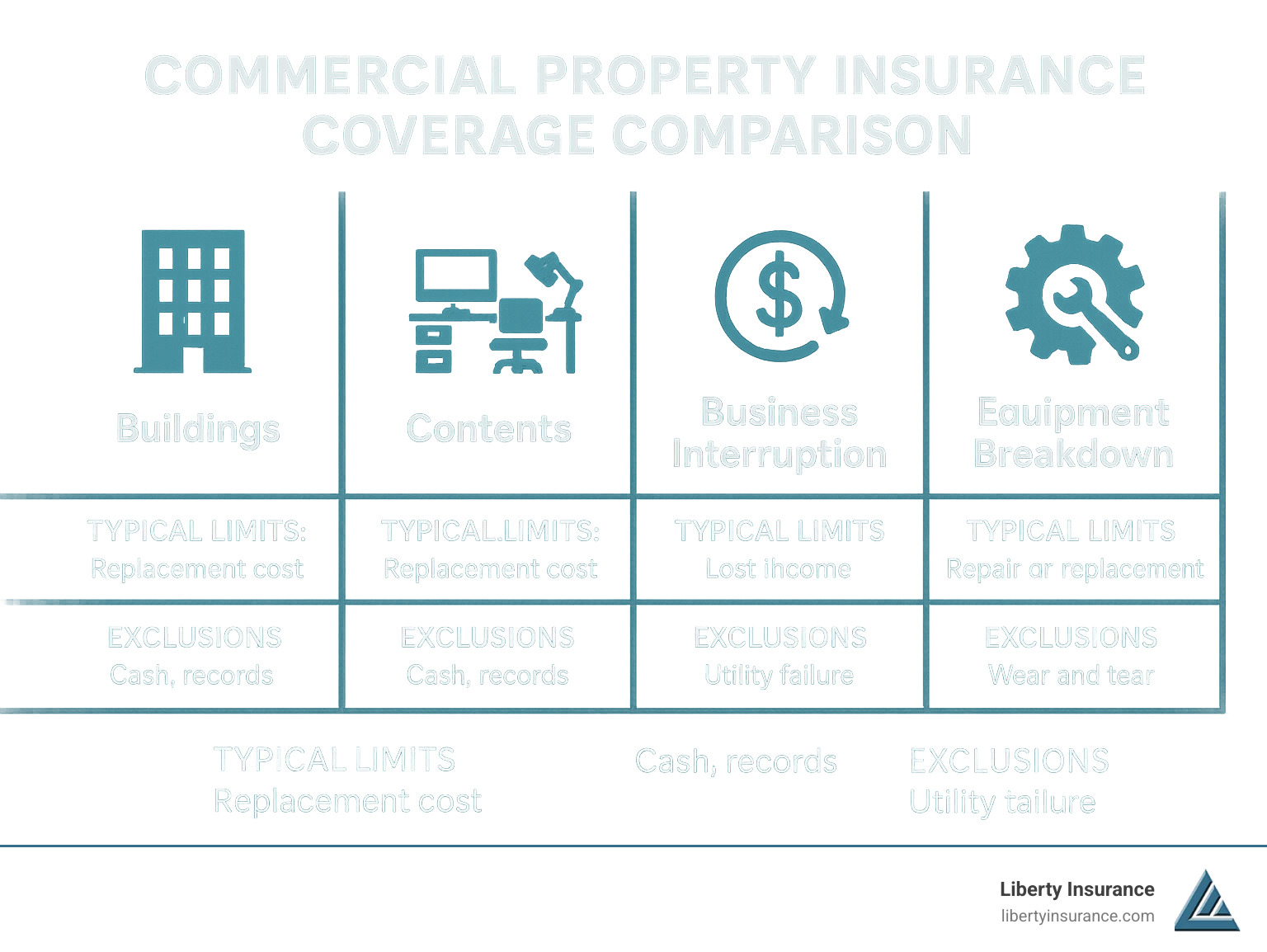
Property insurance is your go-to for physical assets. Think about fire, theft, or natural disasters. It helps replace or repair your valuable items. BUT what about your employees? That’s where workers’ compensation comes in. It’s mandatory in most states and covers medical expenses and lost wages if an employee gets injured on the job.
Professional Liability Insurance Specifics
Professional liability insurance, also known as errors and omissions insurance, is essential for service-based businesses. Let’s say you’re a consultant. If you make a mistake that costs your client money, this insurance protects you from financial ruin.
Here is the deal: it covers not just negligence but also misrepresentation and inaccurate advice. Basically, if your professional judgment is questioned, this insurance has your back.
Business Interruption Insurance Benefits
Ever thought about what happens if your business is forced to close temporarily? This is where business interruption insurance shines. It’s like hitting the pause button on your expenses when disaster strikes.
Imagine a flood causes your restaurant to shut down. You’ve got bills to pay, right? Business interruption insurance covers your operating expenses until you can reopen. Pro Tip: Always check what perils are covered before signing the policy.
Here’s a handy table to break it all down:
| Type of Insurance | Primary Benefit |
|---|---|
| Liability Insurance | Protects against legal claims and lawsuits |
| Property Insurance | Covers damage to physical assets |
| Workers’ Compensation Insurance | Covers employee injuries and lost wages |
| Professional Liability Insurance | Protects against service-related errors |
| Business Interruption Insurance | Covers lost income due to business closure |
Selecting the Right Insurance Provider
Did you know that 40% of small businesses never reopen after a disaster? That’s why picking the right insurance provider is crucial. You need more than just coverage; you need confidence.
But with countless options out there, how do you choose? Here’s the deal: It’s not just about premiums. It’s about reliability, reputation, and relationships. Let’s dive into what you should look for in an insurance partner.
Key Criteria for Choosing a Reliable Insurance Provider
The first step is to identify your needs. Do they offer the types of coverage you require? Look for providers with a proven track record and solid financial strength. Check their ratings with agencies like AM Best or Standard & Poor’s.
Here’s a pro tip:
Choose an insurer that specializes in your industry.
They understand your unique risks better than the big, generic companies. Also, read customer reviews and ask for referrals from other business owners.
Evaluating the Reputation and Reliability of an Insurer
Longevity in the market is a good sign. But you also want to evaluate their customer service. Do they resolve claims quickly? A great way to gauge this is to check their claim settlement ratio.
Use online forums and financial watchdog sites to uncover any red flags. Remember, transparency is key. If they’re not forthcoming about policy details, that’s a huge red flag.
Negotiating the Best Insurance Rates
Insurance rates can seem daunting, but here’s how you can get a better deal. Bundle your policies for discounts, and don’t shy away from negotiating terms.
Shop around and get multiple quotes. When you compare, look beyond the price. Consider the flexibility and perks each provider offers. And always ask for discounts for things like a clean claim history or safety protocols.
Checklist to Assess Insurance Policy Offerings
Before you sign on the dotted line, check these boxes. Verify coverage limits, deductibles, and exclusions. Make sure the policy is tailored to your business needs, not just a one-size-fits-all solution.
- Does the policy cover all potential risks?
- Are there any hidden fees or charges?
- Is emergency contact and support readily available?
- Do they provide regular updates and policy reviews?
This checklist can save you from nasty surprises down the road. Remember, the right insurance provider doesn’t just sell you a policy—they become a partner in your business success.
Cost Management Strategies
Did you know that many small businesses overpay for insurance? It’s true. But with the right strategies, you can cut costs without cutting coverage.
To effectively manage your insurance costs, you need to strike a balance between what you pay and the protection you get. This isn’t about skimping on protection—it’s about being smart with your budget.
Minimize Insurance Costs Without Sacrificing Coverage
Here is the deal: insurance premiums can often be reduced by making strategic decisions. Consider increasing your deductible. A higher deductible usually means a lower premium. But only choose this route if you have the cash flow to handle a larger expense upfront if needed.
Another way is to bundle your policies. Insurers often offer discounts when you purchase multiple types of coverage from them. Plus, review your policies annually. Business needs evolve, and so should your coverage.
Risk Management Practices to Reduce Premiums
Pro Tip:
Implementing strong risk management practices can lead to significant premium reductions.
This means evaluating the risks your business faces and taking steps to mitigate them. For example, installing a security system or conducting regular safety training can lower your risk profile.
Insurers love businesses that proactively manage risk because it means fewer claims. And fewer claims mean lower costs for them—and savings for you.
Deductible Options and Their Impact on Premium Costs
Understanding deductibles is crucial in managing your insurance costs. Let’s break down the options:
- Low Deductible: Higher premiums, but less out-of-pocket when claiming.
- Medium Deductible: Balanced premiums and out-of-pocket costs.
- High Deductible: Lower premiums, but higher costs during a claim.
Choosing the right deductible can drastically impact your annual insurance expenses. Make sure to align this choice with your business’s financial capacity and risk tolerance.
Legal Aspects of Business Insurance
Are you sure your business is legally protected with insurance? A surprising number of small businesses overlook key legal requirements, risking fines or worse. Let’s dive into the crucial legal aspects of business insurance that you can’t afford to ignore.
Understanding the legal framework behind business insurance is essential. It’s not just about picking the right policy; it’s about ensuring compliance with legal mandates. This means grasping the unique requirements that vary from one location to another and understanding the importance of contracts in the claims process.
Key Legal Requirements for Business Insurance by Location
Did you know that each state or region can have its own specific insurance requirements? For instance, while workers’ compensation is a must in most places, the required coverage amount can differ significantly. It’s crucial to research and identify what’s mandatory in your area. States often require specific types of coverage depending on the nature of your business. Ignorance isn’t bliss here—it could be costly!
The Role of Contracts in Managing Insurance Claims
Contracts can be your best friend when claims arise. A well-drafted contract can clarify the specifics of coverage, ensuring that both parties know what to expect during a claim. This can prevent disputes and streamline the process, saving both time and money. Poorly drafted contracts can create confusion, leaving room for legal battles.
Guide to Legal Compliance with Insurance Policies
Navigating the maze of legal compliance is no small feat. First, ensure all your policies meet the local and federal regulatory standards. Regularly review your policies to stay updated with any legislative changes. Implement an internal audit system to check compliance, and don’t hesitate to consult a legal expert if doubts arise.
Expert Advice on Navigating Insurance Disputes
“When facing an insurance dispute, documentation is your best ally. Keep thorough records of all communications and policy details. A clear paper trail can often resolve disputes faster than legal action.” – Insurance Legal Expert
Trends and Innovations in Business Insurance

Did you know that over 40% of small business owners haven’t reviewed their insurance policies in the last year? This is a huge missed opportunity because the insurance landscape is evolving rapidly.
Let’s dive into the latest trends and innovations in business insurance that you absolutely need to know about. Staying updated could save you money and protect your business better.
The Rise of Digital Insurance Platforms
Technology is transforming the insurance industry. Today, digital platforms are not just a convenience but a necessity. These platforms streamline the insurance process, making it easier for you to compare policies and manage claims.
Insurance companies are leveraging AI to improve risk assessment and claims processing. This means faster, more accurate service for you. But the real game-changer? Automated chatbots handling customer queries 24/7, so you’re never left waiting.
Impact of Technology on Insurance Policies
Technology isn’t just about speed; it’s about precision. Insurers now use data analytics to tailor policies specifically to your business needs. This means you only pay for what you actually need.
With IoT (Internet of Things) devices, insurers can monitor real-time data, which helps in creating dynamic policies. For instance, a fleet management company can have insurance premiums adjusted based on driving behavior tracked through IoT.
Pro Tip: Look for insurers offering telematics-based policies for better control over your premiums.
Innovative Insurance Products for Small Businesses
Innovation is key in standing out in a crowded insurance market. Today, insurers offer customized packages that cater to specific industries. These packages often include bundled features that save you both time and money.
For example, a restaurant might find a policy that includes general liability, property damage, and even food spoilage coverage. The result? Comprehensive protection in one simple package.
Evolution of Industry-Specific Insurance Packages
Here is the deal: industry-specific packages are evolving faster than ever. Insurers are adapting to the unique risks associated with different business sectors, whether it’s tech startups or brick-and-mortar stores.
These packages often include sector-specific coverages that traditional policies might overlook. For instance, a tech company could benefit from a policy that covers data breaches and cyber-attacks, which are increasingly commonplace.
Pro Tip: Always ask your insurer about new policies or add-ons tailored to your industry for maximal coverage.
Closure
In the end, securing the right insurance for your small business isn’t just about checking a box—it’s about safeguarding your dreams and hard work. By understanding the nuances of commercial insurance, you can make informed decisions that pave the way for long-term success. So, equip yourself with the right coverage today and steer your business confidently into the future. Remember, the best time to prepare is always now.
Answers to Common Questions
What are the basic types of commercial insurance for small businesses?
Liability insurance, property insurance, and workers’ compensation insurance are three essential types of commercial insurance that small businesses typically consider.
Why is professional liability insurance important?
Professional liability insurance, also known as errors and omissions insurance, protects businesses against claims of negligence or harm resulting from professional services or advice.
When is business interruption insurance beneficial?
Business interruption insurance is beneficial when a business is forced to halt operations due to unforeseen events like natural disasters, ensuring continuity and financial stability.
How can I choose the right insurance provider?
Evaluate potential insurance providers based on their reputation, reliability, coverage options, and customer reviews to ensure they align with your business needs.
What strategies can minimize insurance costs?
Implementing risk management practices and choosing higher deductibles are effective strategies to minimize insurance costs while maintaining adequate coverage.
